Hounslow Council rules for bulky waste collection explained
Posted on 13/06/2026
If you have an old sofa wedged in the hallway, a broken wardrobe in the spare room, or a fridge that has finally given up after one too many hums and clicks, bulky waste can suddenly become very real, very fast. This guide to Hounslow Council rules for bulky waste collection explained walks you through the practical side of getting large household items removed without stress, confusion, or a failed collection sitting outside your home on a wet Tuesday morning.
The rules can feel a bit fiddly at first, especially if you are trying to work out what counts as bulky waste, how to book it, what can be collected, and what needs special handling. The good news? Once you understand the basics, it becomes much easier to choose the right disposal route and avoid costly mistakes. Let's make it clear, plain-English, and actually useful.
Why Hounslow Council rules for bulky waste collection explained Matters
Bulky waste is one of those household jobs that looks simple until you start moving things around. A mattress is too big for the normal bin. A damaged chest of drawers won't fit in a black sack. A garden bench feels too awkward to dismantle. Suddenly, you are left wondering whether the council will take it, how to book it, and whether you need to separate parts into different piles. That is exactly why understanding the local rules matters.
For households in Hounslow, bulky waste collection rules help you manage large items in a way that is orderly, safe, and suitable for council collection or alternative disposal. It matters because wrong preparation can lead to missed pickups, rejected items, or the not-so-pleasant sight of your bulky waste sitting outside longer than expected. And to be fair, nobody wants that.
There is also a bigger picture. Large items left on pavements or dumped informally can create obstructions, attract pests, and make streets feel messy. When bulky waste is handled properly, it supports cleaner neighbourhoods and better recycling outcomes. If you care about waste being dealt with responsibly, the wider recycling and sustainability approach matters just as much as the collection itself.
For many people, this topic also becomes relevant during life changes: moving home, clearing a rental, replacing old furniture, or handling a relative's property. If you are in that situation, bulky waste rules are not just a council formality. They are part of getting the job done without dragging the whole thing out for days. Sometimes it is the small practical stuff that saves the most time.
How Hounslow Council rules for bulky waste collection explained Works
While procedures can change over time, bulky waste collection in Hounslow generally follows a straightforward pattern: you identify which items need collecting, check whether they are accepted, arrange the collection, prepare the items properly, and place them out at the agreed time and location. That is the broad shape of it.
Most councils in London treat bulky waste as larger household items that do not fit into normal refuse collections. Think furniture, white goods, mattresses, carpets, and similar items. But the tricky bit is that not every large item is treated the same way. Some may be accepted only if they are clean and safe to handle; others may be excluded because they contain hazardous components, electrical parts, or materials requiring separate treatment.
The key thing is to treat bulky waste as a planned collection rather than a casual bin day extension. A common mistake is assuming anything large can simply be left out and taken away. In practice, bulky waste usually needs booking or scheduled placement under specific rules, and the items often need to be easy to lift, safe to move, and accessible from the kerbside or agreed collection point.
If you are dealing with a larger clear-out, it can help to think beyond a single item. For example, a flat clearance after tenants leave may include an old bed, a broken table, and a few awkward household bits. In that case, a service like house clearance in Hounslow or broader rubbish clearance support in Hounslow may be a better fit than trying to force everything through a one-off council collection.
Another practical detail: access matters. Narrow hallways, stairs, parked cars, and shared entrances can all affect how bulky waste is removed. That is why reading the collection guidance carefully saves time later. The item itself may be allowed, but only if it can be presented safely. A bit dull, perhaps, but very real.
Key Benefits and Practical Advantages
When people understand the bulky waste rules properly, they usually save themselves time, reduce hassle, and avoid making multiple disposal attempts. That may sound obvious, but in day-to-day life obvious things are often the first to get missed.
Here are the main benefits:
- Less wasted effort - you know which items can go, which items cannot, and how they should be prepared.
- Cleaner kerbside presentation - items placed correctly are less likely to be rejected.
- Better safety - heavy or awkward objects are handled with less risk to you and others.
- More predictable timing - you can plan around a booked collection rather than waiting and wondering.
- Improved disposal choice - you can compare council collection against other local options more realistically.
There is also a practical lifestyle benefit. A cluttered property can feel mentally noisy. A collapsed wardrobe in the corner, a cracked table by the front door, that old armchair you have been stepping around for weeks... it all adds up. Once removed, a room instantly feels larger and calmer. Not glamorous, but very satisfying.
If you are weighing council collection against an alternative service, it may help to review the broader services overview so you can see what type of clearance suits your situation. In some cases, direct collection is enough; in others, a more complete removal approach is simply easier.
Who This Is For and When It Makes Sense
This guide is useful for anyone in Hounslow who needs to get rid of large household items responsibly. That includes homeowners, tenants, landlords, letting agents, property managers, and anyone helping a family member clear a home. If you have a bulky item blocking space, or a cluster of items you cannot sensibly fit into normal waste collections, this is for you.
It makes especially good sense when:
- you are replacing furniture and need the old pieces gone first;
- you are moving out and need to leave a property tidy;
- you have an awkward item that is too large for standard bins;
- you are helping with a loft, garage, or shed clear-out;
- you want to avoid fly-tipping or unsafe pavement dumping;
- you need an option that feels more organised than trying to do it all yourself.
There is a small but important distinction here. If you only have one or two items, council bulky waste collection may be suitable. If you have a full room, a hallway full of furniture, or a mixed load of household waste and furniture, then something like furniture disposal in Hounslow or a wider junk removal service might be more efficient. The right method depends on the mess in front of you, not the other way round.
And yes, that includes office settings too. Old desks, chairs, filing units, and broken equipment are common bulky items in commercial spaces. In those cases, a dedicated office clearance service can be a better fit than trying to manage scattered pieces one by one.
Step-by-Step Guidance
If you want a practical way to handle bulky waste without overthinking it, follow this sequence. It is not fancy. It works.
- List the items you need removed. Walk through the property and write everything down. Be specific. "Bed frame, mattress, two dining chairs, broken chest of drawers" is better than "some furniture."
- Check whether the items qualify. Look at what the collection guidance says about accepted and restricted items. If anything sounds borderline, treat it cautiously.
- Separate bulky waste from general rubbish. Don't mix everything into one pile if the collection requires different handling. A clean sort makes life much easier.
- Measure larger items if needed. This is especially useful for sofas, wardrobes, or bed bases. If it looks like a wrestling match to get it out of the door, plan ahead.
- Prepare items safely. Remove loose contents, detach legs where practical, tape sharp edges, and make sure nothing dangerous is left exposed.
- Book or arrange the collection in advance. Follow the local booking process carefully and note the date, time window, and placement instructions.
- Place items where they can be collected. Typically that means a safe, accessible location. Keep paths clear. Don't block neighbours or emergency access.
- Confirm collection and tidy up. Once removed, check that no small parts, screws, or packaging have been left behind.
If you are balancing this with a move, a refurbishment, or a major tidy-up, you may also find it useful to read the local article on rubbish removal in Hounslow High Street for a sense of common costs and planning considerations. It can help you compare what is worth doing yourself and what is worth outsourcing. That little bit of planning saves headaches later.
Expert Tips for Better Results
In our experience, the smoothest bulky waste collections tend to happen when people prepare the job like a small project rather than a last-minute chore. A few extra minutes at the front end can prevent a whole lot of irritation later.
- Bundle compatible items together. If you have multiple pieces of furniture, group them logically. It makes checking and lifting easier.
- Photograph awkward items. This is especially helpful if you are asking for a quote or need to explain access issues.
- Keep pathways open. Hallways, stairwells, front gardens, and communal entrances should be clear enough for safe movement.
- Think about weather. A rainy morning can turn cardboard-backed furniture into a soggy mess. Not ideal. Not even slightly.
- Use the right service for the load. A single mattress is very different from a full garage clear-out. Match the service to the actual job.
If you are also dealing with waste from a renovation or building project, bulky waste rules may not be enough on their own. Heavy rubble, timber offcuts, plasterboard, and mixed construction debris need a different approach. For that kind of job, a specialist option like builders waste clearance in Hounslow is often the cleaner route.
One small but useful habit: keep a note of what was removed and when. It sounds almost too simple, but if you manage a property, help a relative, or deal with rental turnovers, that paper trail is handy. A slightly boring habit, yes. A smart one too.
Common Mistakes to Avoid
Most bulky waste problems come down to avoidable errors. The items themselves are usually fine. The issue is preparation, access, or using the wrong disposal route.
- Leaving items out without checking the rules. This can lead to missed collections or rejected items.
- Mixing restricted materials with bulky waste. Electrical components, hazardous materials, or dismantled construction waste may need separate handling.
- Blocking access. A collection team cannot safely remove items if they are trapped behind parked cars, locked gates, or stacked clutter.
- Assuming all furniture is accepted. Sofas, wardrobes, mattresses, and chairs may each have different handling expectations.
- Forgetting to dismantle where appropriate. A little disassembly can make a big difference.
- Not planning for timing. If you leave it until moving day, the whole process gets harder. Much harder.
Another common mistake is underestimating how much waste is actually there. A "quick" garage sort can turn into a full afternoon of boxes, broken tools, old shelving, and random bits you forgot existed. The smell of damp cardboard alone can make you question your life choices a bit. That is where a broader clearance option such as garage clearance in Hounslow can be useful.
For lofts, the same thing happens on a smaller, dustier scale. If your bulky waste is part of a bigger attic clear-out, loft clearance in Hounslow may be the calmer, faster option.
Tools, Resources and Recommendations
You do not need a pile of special equipment to manage bulky waste well, but a few simple tools make the job smoother.
- Measuring tape - useful for checking whether furniture will fit through doors or down staircases.
- Marker pen and labels - helpful if you are sorting items for different disposal routes.
- Heavy-duty gloves - sensible for broken edges, dirt, or awkward surfaces.
- Tape or cable ties - handy for securing loose parts.
- Phone camera - great for recording item condition or access details.
- Flat trolley or dolly - useful if you are moving safe, manageable items over short distances.
If you are comparing disposal methods, it also helps to look at the wider local service ecosystem. For example, if the job involves mixed household clutter rather than one or two items, a general waste removal service may give you more flexibility. If it is mainly furniture, rubbish collection in Hounslow can be more appropriate depending on the item type and volume.
For people who value a responsible disposal approach, it is worth reading more about how recycling and sustainability shape the service. Reuse, repair, and recycling often sit behind the scenes of what looks like a simple collection job. That matters, even if it is not the first thing you think about on a busy Saturday.
Law, Compliance, Standards, or Best Practice
Bulky waste disposal is not just about convenience. There are practical compliance and best-practice considerations too. While the exact local rules should always be checked at the time of booking, the general principles in the UK are familiar: waste should be handled safely, passed to an appropriate collection route, and not dumped where it can create a hazard or nuisance.
As a householder or business, your best practice is to make sure items are presented honestly and safely. That means not hiding hazardous materials inside furniture, not leaving sharp edges exposed, and not pretending an item is a standard bulky object when it clearly needs different handling. If a collection is arranged through a professional service, transparent description of the waste helps everyone.
For landlords, agents, and property managers, good records are especially sensible. It can be useful to note what was removed, when, and by whom. In multi-occupancy properties, this avoids confusion later. Anyone who has ever dealt with a missing mattress or a mystery pile in a communal hallway knows the value of that kind of detail.
Safety is also part of compliance in a practical sense. Heavy lifting, sharp materials, broken glass, mouldy upholstery, or damp-stored items can all pose risks. A service with clear safety practices is worth looking at, and the page on insurance and safety is a sensible place to understand that side of things.
For business users, there is an additional layer: office waste, mixed equipment, and clearance work often need careful separation so that confidential, reusable, and disposable items are handled properly. If that sounds familiar, keep the process controlled and deliberate. Slapdash waste handling is how simple jobs become annoying ones.
Options, Methods, or Comparison Table
When bulky waste needs to go, you usually have a few options. The best choice depends on volume, urgency, access, and how much of the job you want to do yourself.
| Option | Best for | Pros | Watch-outs |
|---|---|---|---|
| Council bulky waste collection | One-off items or smaller loads | Structured, local, usually straightforward if you meet the rules | May have item restrictions, booking steps, and presentation requirements |
| Private bulky item removal | Faster or more flexible collections | Often more convenient for mixed or urgent jobs | Cost may be higher depending on volume and access |
| Skip hire | DIY clear-outs and ongoing projects | Handy when you have repeated waste over several days | Space, permits, loading rules, and suitability for furniture all matter |
| Full clearance service | Houses, garages, lofts, offices, and larger clearances | Most convenient for larger, mixed or awkward loads | May be more than you need for one single item |
If you are leaning towards a DIY route, skip hire in Hounslow can make sense for a bigger project. But for most ordinary bulky household items, a collection or clearance service is often less messy and less stressful. A skip on a tight street can be a bit of a faff, especially if parking is already a daily battle.
For convenience-led situations, especially when the timetable is tight, a same-day option can be worth checking. The local guide on same-day rubbish removal near East Station gives a useful sense of how urgent clearances are approached in practice.
Case Study or Real-World Example
Picture a fairly normal scenario in Hounslow: a family is replacing a worn-out sofa, a broken bedside cabinet, and a mattress that has survived too many moves already. On top of that, there are a couple of old dining chairs and a table with a loose leg. Nothing dramatic. Just the kind of clutter that quietly builds up.
At first, they consider leaving the items outside and hoping for the best. That is where problems usually start. One piece is too large to move safely alone, the mattress has to stay dry, and the chairs are awkward to stack. Instead, they sort the items properly, check what can be collected, remove loose cushions and any sharp fittings, and place everything where access is clear.
Because the items were grouped and prepared well, the removal is simpler. No scrambling at the last minute. No trying to drag a sofa through a narrow doorway while muttering to yourself. Just a clean handover and a room that feels useable again. You can almost hear the difference, if that makes sense - less clutter noise, more calm.
Now, if the same household also had bags from the loft, a few cracked storage boxes, and broken shelves, then a more complete clearance would likely be better. That is where services like house clearance or junk removal usually win out. The right method saves time, but more importantly, it saves effort.
Practical Checklist
Use this before arranging or setting out bulky waste. It keeps things simple.
- Have I identified every item that needs removing?
- Do I know which items are accepted and which may be restricted?
- Have I checked whether any item needs dismantling or special handling?
- Is there a clear, safe path from the property to the collection point?
- Have I removed loose contents, sharp edges, or hazardous bits?
- Do I have the booking date, time window, or collection instructions noted?
- Have I separated bulky waste from general rubbish and recycling?
- Would a broader clearance service be better for this load?
- Do I need help with access, lifting, or moving heavy items?
- Have I checked the space will stay clear until collection time?
If you tick most of those boxes, you are in a much stronger position. If not, pause and fix the weak spots first. It is usually easier than dealing with a rejection later.
Get a free quote today and see how much you can save.
Conclusion
Hounslow Council bulky waste rules are not there to make life difficult. They exist to keep collections safe, organised, and manageable for everyone involved. Once you understand what counts as bulky waste, how items need to be prepared, and when a different disposal method makes more sense, the whole process becomes much less intimidating.
The real trick is matching the method to the mess. One sofa? A straightforward collection may be enough. A garage full of mixed junk? You may want a fuller clearance solution. Either way, a little planning goes a long way. Truth be told, most waste jobs are easier than they first look once you stop guessing and start sorting.
If you are ready to clear space and move on with your day, that is usually a good sign you are doing it right. Small wins count. Especially when they come with fewer trips over an old chair leg in the hallway.


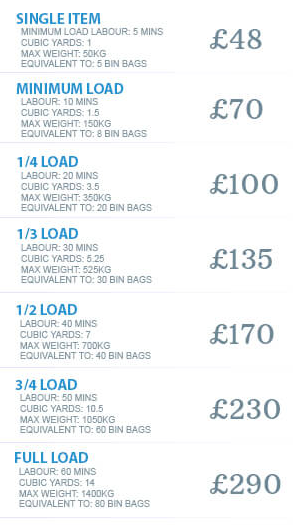
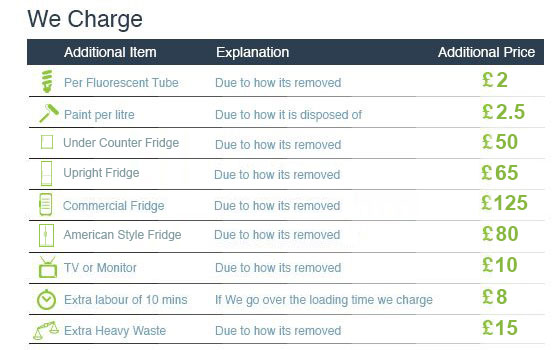
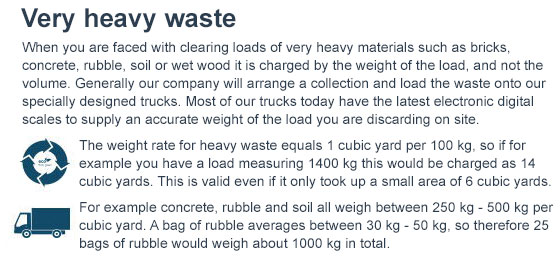
 Tipper Van - Rubbish Removal and Waste Disposal Prices in Hounslow TW3
 Luton Van - Rubbish Removal and Waste Disposal Prices in Hounslow TW3