Rubbish removal in Hounslow High Street TW3 tips and costs
Posted on 26/05/2026
If you live, work, or run a property on or near Hounslow High Street, rubbish has a habit of building up faster than you expect. One box becomes three. A broken chair waits in the hallway. A shop refit leaves packaging, old fittings, and that one awkward item nobody wants to move. This guide to rubbish removal in Hounslow High Street TW3 tips and costs is here to make the whole job feel less messy, less stressful, and far more manageable.
Truth be told, the best waste clearances are usually the ones planned properly. A little prep can cut costs, speed up collection, and reduce the risk of surprises on the day. Below, you'll find practical tips, cost factors, local considerations, and a clear step-by-step way to decide whether you need a one-off collection, a full clearance, or something in between. If you want to understand the wider service options first, it can also help to look at the site's services overview and the dedicated page for rubbish clearance in Hounslow.
One small note before we begin: prices and approaches vary depending on access, waste type, load size, and how quickly you need the work done. So rather than guessing, use the guidance here to narrow down what you actually need. That's where the savings tend to appear.
Why Rubbish removal in Hounslow High Street TW3 tips and costs Matters
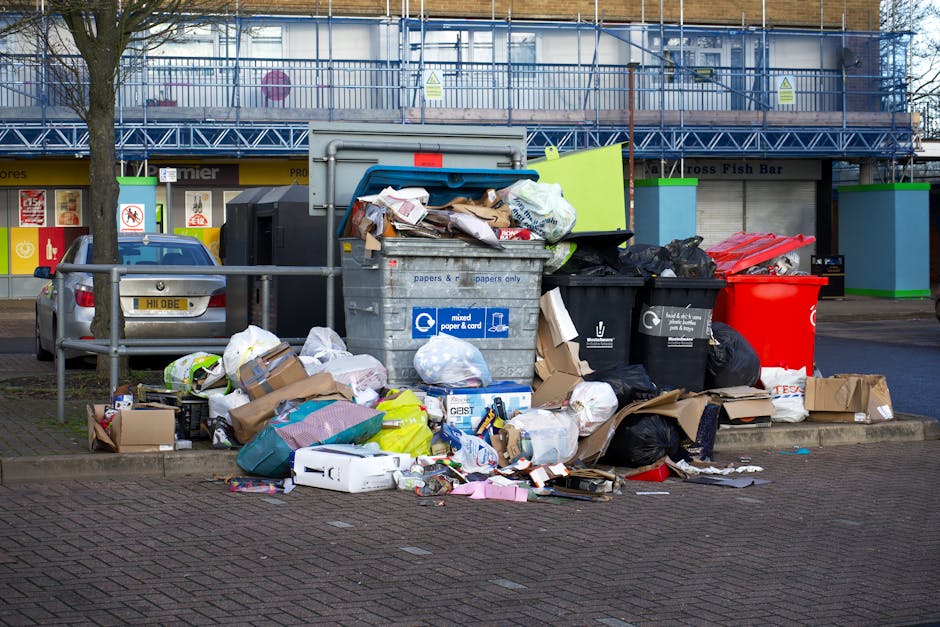
Hounslow High Street is busy, mixed-use, and very much lived-in. That matters. Flats sit above shops, access can be tight, parking is not always simple, and items often need carrying through shared entrances or narrow stairwells. In that kind of setting, rubbish removal is not just a matter of lifting bags into a van and driving off. Planning matters because access, timing, and waste type can all affect the end cost.
There's also the practical side. If rubbish is left too long, it can become a nuisance for neighbours, attract pests, or block access in communal areas. For businesses, a cluttered back room or delivery area can slow down trading. For homeowners, it can turn a simple clear-out into a weekend you wish had never happened. We've all had that moment where the pile in the corner suddenly looks bigger at 8am than it did the night before. Funny how that works.
In a busy London street, getting the approach right can make the difference between a smooth collection and a frustrating one. That is why cost guidance is useful, but so are the little things: stacking items neatly, separating recyclables, checking lift access, and being realistic about what can be taken on the first visit.
If you are clearing a property before a move, sale, or refurbishment, it may also be worth reading the local property content on Hounslow property market insights or the Hounslow property buying guide. Those pages are useful when rubbish clearance is part of a wider move or renovation timeline.
How Rubbish removal in Hounslow High Street TW3 tips and costs Works
At a basic level, rubbish removal means a team collects unwanted items from your property, sorts them, and disposes of them through the right channels. The exact method depends on the load. Some jobs are simple same-day collections. Others need a fuller clearance, especially when there are mixed items like furniture, bagged waste, small appliances, or building debris.
Here's the usual flow:
- You describe the waste. This might be a few bags, old furniture, renovation leftovers, or a whole room of items.
- A quote is prepared. Good providers will ask about volume, access, item type, and whether anything is heavy, fragile, or restricted.
- The collection is scheduled. On High Street, timing often matters because of parking, loading bays, and traffic.
- The team loads the waste. If the access is awkward, this can take longer than people expect. A third-floor flat with no lift is a different story from a ground-floor shop unit.
- The waste is sorted. Recyclables, reusable items, general waste, and specialist materials are usually separated where possible.
- It is disposed of responsibly. Licensed operators should take waste to the right facilities and handle it in line with current UK requirements and best practice.
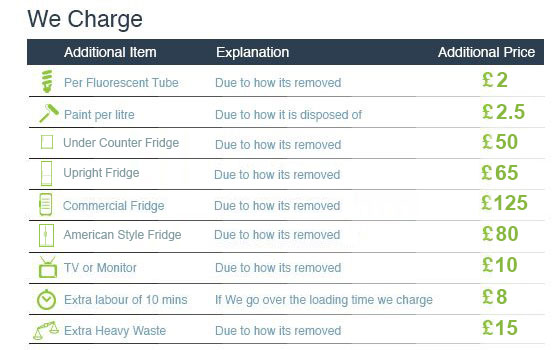
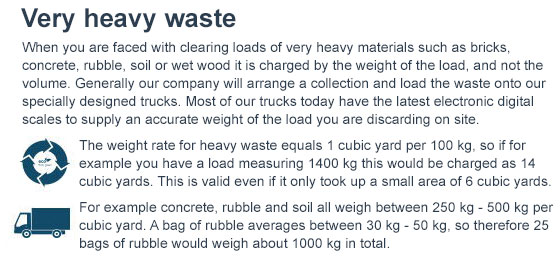
Costs are usually based on a few main factors: the amount of waste, the type of waste, the labour needed, and the difficulty of access. Builders' debris, mattresses, fridges, and mixed heavy items can cost more than a few sacks of light household rubbish. For more specialised project waste, take a look at builders waste clearance in Hounslow, which is more suited to renovation and trade jobs.
In some cases, you may not need a full rubbish removal team. A smaller collection service can be enough, especially if the waste is already sorted and easy to access. If that sounds closer to your situation, the page for rubbish collection in Hounslow may be the better fit.
Key Benefits and Practical Advantages
The biggest benefit is obvious: you get your space back. But the real value usually goes deeper than that.
- Less disruption: A quick clearance keeps homes, shops, and shared spaces usable.
- Better safety: Loose items, broken furniture, and stacked bags can become trip hazards fast.
- Cleaner presentation: This matters if you are renting, selling, hosting customers, or preparing for trades.
- Time saved: Moving waste yourself often means multiple car trips, parking headaches, and awkward lifting.
- More responsible disposal: A professional service should sort and route items properly, which is better than guessing where everything should go.
- Less stress: Not glamorous, but very real. A cluttered place can weigh on you more than people admit.
There's also an often-overlooked benefit: momentum. Once the waste is out, the next task suddenly feels possible. Paint the wall. Book the cleaner. Start the loft. Fix the shop back room. One job unlocks the next. It sounds minor, but it genuinely helps.
If sustainability matters to you, it is worth reading about the business's approach to recycling and sustainability. That sort of transparency can tell you a lot about how items are handled once they leave your door.
Who This Is For and When It Makes Sense
This kind of service is useful for a wide range of people, and not just during big life events.
- Homeowners: For loft clear-outs, garage tidy-ups, garden waste, and post-renovation mess.
- Renters: Helpful at move-out stage, especially when landlords expect the flat to be left clear.
- Landlords and letting agents: Useful between tenancies when a property needs resetting quickly.
- Shop owners and offices: Good for packaging waste, old stock, desks, chairs, and end-of-lease clearances.
- Builders and trades: Handy when a project produces a lot of non-hazardous debris that needs shifting fast.
- Families handling bereavement or downsizing: A respectful, practical option when there is a lot to sort through.
It makes sense when the waste is too much for your car, too awkward to carry, or too time-consuming to sort alone. It also makes sense when you need the job done on a deadline. A sale completion. A fit-out. A school pickup window. A delivery arriving tomorrow. Real life, basically.
For people living locally, the broader picture of the area can also affect timing and access. The article uncovering Hounslow as a London suburb gives useful context on the neighbourhood, while Hounslow living insights from locals is a good read if you want a more everyday feel for local routines and logistics.
Step-by-Step Guidance
If you want the cleanest possible experience, follow a simple process. It helps you compare quotes properly and avoid unnecessary extras.
1. List what needs to go
Walk through the space and make a rough list. Include furniture, bagged waste, appliances, loose items, and anything bulky. If you are not sure whether something counts as standard rubbish or special waste, note it anyway. A quick picture set can save a lot of back-and-forth later.
2. Separate obvious categories
Group items into types: general waste, recyclables, furniture, metal, wood, garden waste, and builders' waste. Even a simple separation can lower labour time. It also makes it easier for a provider to estimate the load accurately.
3. Check access carefully
On High Street, access can be the part people forget. Is there a loading point? Are there stairs? Is the item in a basement, rear yard, or second-floor flat? Could a van stop close enough, or will the team need a long carry? These details affect pricing more than people realise.
4. Ask for an itemised explanation
A trustworthy quote should explain what is included. Ask whether labour, fuel, loading, disposal, and VAT are included if relevant. If the quote feels oddly vague, that is your cue to slow down a bit.
5. Book a suitable time slot
If you are in a busy part of TW3, avoid peak times where possible. Early morning or quieter windows can make collections smoother. This is especially true for businesses and flats with shared entrances.
6. Prepare the waste in advance
Put loose items into bags or boxes where practical. Keep stairs and walkways clear. Move delicate items out of the way. If there are items you definitely want to keep, separate them physically. That sounds obvious, but in a cluttered room it is surprisingly easy to mix things up.
7. Confirm the final load on arrival
Before anything is taken away, walk through the items with the team. If the load is bigger than expected, a clear conversation at the start is much better than a surprise later on. Nobody wants that awkward pause. Nobody.
Expert Tips for Better Results
The best savings often come from small, boring, sensible actions. Not exciting, but effective.
- Photograph the waste in good daylight: Better pictures make for better quotes, especially if you are requesting a remote estimate.
- Move items together: A tidy pile is quicker to load than scattered bits across different rooms.
- Keep recyclable materials separate where possible: Clean cardboard, metal, and some wood may be easier to process than mixed waste.
- Avoid last-minute additions: One extra sofa can change the whole load calculation.
- Choose the right service type: Don't pay for a full clearance if a smaller collection will do.
- Check whether furniture can be dismantled first: Flat-pack pieces and wardrobes often become much easier to remove once broken down.
Another useful tip: if you are clearing multiple areas, do them in order of urgency. Start with what blocks access, then what affects safety, then what is simply annoying. That keeps the job moving and prevents the classic "we emptied the wrong room first" problem.
If you are dealing with old sofas, tables, or wardrobes, the dedicated furniture disposal in Hounslow page may help you choose the most sensible route.

Common Mistakes to Avoid
Most bad experiences come from a few predictable mistakes. Avoid these and you are already ahead.
- Not checking access properly: This is the big one. Parking and loading issues can affect timing and cost.
- Mixing everything together: If special items are hidden in a general load, it can complicate disposal.
- Underestimating the volume: A "small pile" can turn into a half-van once it's stacked. It happens all the time.
- Forgetting about fragile or heavy items: Old mirrors, glass, and broken appliances need care.
- Choosing only on price: The cheapest quote is not always the best value if it excludes labour or disposal.
- Leaving sorting too late: If you want to keep, donate, or recycle anything, make that decision before collection day.
A small but useful habit: keep one "do not take" area and make it obvious. A sticky note, tape on the floor, a separate room. It sounds tiny, yet it prevents the classic clear-out confusion where someone nearly takes the only lamp you actually liked.
Tools, Resources and Recommendations
You do not need specialist equipment for every job, but a few practical items can make rubbish removal easier and safer.
- Heavy-duty bin bags: Better for loose household waste and smaller general rubbish.
- Gloves: Essential if you are handling sharp, dusty, or awkward items.
- Tape and labels: Useful for marking keep, donate, recycle, and remove.
- Measuring tape: Handy for bulky furniture that may need dismantling or careful carrying.
- Phone camera: Good for sending clear pictures when requesting a quote.
- Clear route planning: A quick look at door widths, stairs, and parking can save time on the day.
For people wanting a more detailed starting point, the page on pricing and quotes is a sensible next read. If your priority is also safety and handling standards, take a look at insurance and safety so you know what to ask before booking.
And if you are comparing providers or exploring the company background, the about us page is worth a look. It helps you judge whether the service feels transparent and properly organised. Small thing, but useful.
Law, Compliance, Standards, or Best Practice
Rubbish removal in the UK is not something to treat casually. You do not need to become an expert in waste law to book a collection, but you should be aware of a few sensible checks.
First, use a provider that appears to handle waste responsibly and can explain where it goes. Second, make sure any waste transfer process is handled properly by the company if it is part of their service. Third, be careful with items that may need special treatment, such as electricals, fridges, paint, chemicals, or anything potentially hazardous. Not every item can simply be mixed into a general load.
Best practice also includes clarity around payment, quotes, and terms. If you are dealing with a service provider, it is sensible to review the terms and conditions and the payment and security information before confirming anything. That is especially wise if you are arranging a larger clearance or paying online.
For business customers or sensitive clearances, responsible handling can also involve wider ethical expectations. If you want to understand the company's broader commitments, the modern slavery statement provides another signpost of how seriously the business treats governance and supply chain responsibility.
To be fair, most people just want the junk gone. Fair enough. But a few minutes spent checking the basics can save a headache later.
Options, Methods, or Comparison Table
There is more than one way to clear rubbish on or around Hounslow High Street. The right method depends on volume, timing, and how hands-on you want to be.
| Method | Best for | Typical advantages | Possible drawbacks |
|---|---|---|---|
| Man and van rubbish removal | Mixed household waste, furniture, quick clearances | Flexible, often fast, labour included | Price can rise if the load or access is harder than expected |
| Rubbish collection only | Smaller, sorted loads with easy access | Simple and often cost-effective | Less suited to awkward lifting or bulky items |
| Full house clearance | Moves, bereavement clearances, major decluttering | Comprehensive and efficient | Can be more expensive than a smaller collection |
| Builders waste clearance | Renovation debris, strips-outs, trade jobs | Good for heavy, messy project waste | Requires accurate description of materials |
| Skip hire | Longer projects with steady waste buildup | Useful if waste will accumulate over several days | Needs space, permits may be relevant, and you load it yourself |
For many High Street jobs, a direct collection is easier than skip hire because space is tight and access is often the deciding factor. But if you are managing a renovation or ongoing site work, skip hire can still make sense. It depends on the rhythm of the job, not just the pile in front of you. If you want to compare that route, the page on skip hire in Hounslow is a useful reference point.
Case Study or Real-World Example
Imagine a small flat above a shop on Hounslow High Street. The tenant is moving out, there are two broken bookcases, a mattress, several bin bags, some kitchen bits, and a few boxes of odds and ends from the cupboard under the sink. Nothing dramatic, just the usual moving-day mix.
The first instinct might be to book the earliest collection possible and hope for the best. But a better approach is to sort the items into piles first: keep, donate, dispose. Then take photos, check stair access, and make sure there is a clear route from the front door to the van. If the items are already stacked neatly, the collection is usually quicker and smoother. That can reduce labour time and help the provider quote more accurately.
Now add one common complication: a narrow street and limited stopping time. If that is the case, booking a sensible time slot and confirming where the van can safely pause becomes part of the plan. The actual collection might only take a short while, but the planning around it makes the difference.
In a real-world clear-out like this, the biggest win is not just the removal itself. It is the calm after it. The flat looks larger, the floor is visible again, and you can finally clean properly without stepping around a pile of things you never meant to keep in the first place. Small victory, but a satisfying one.
Practical Checklist
Use this checklist before booking your clearance or collection:
- Make a list of what needs removing
- Separate items you want to keep, donate, recycle, or dispose of
- Take photos of the waste from a few angles
- Check access, stairs, parking, and loading points
- Note any heavy, fragile, or unusual items
- Ask what is included in the quote
- Confirm whether labour and disposal are covered
- Check the provider's approach to recycling and responsible disposal
- Review terms, payment, and safety information if needed
- Keep the collection route clear on the day
Quick expert summary: the cheapest quote is not always the best value. The best result usually comes from clear photos, honest access details, and choosing the right service for the size of the job. Simple, but effective.
Get a free quote today and see how much you can save.
Conclusion
Rubbish removal on Hounslow High Street TW3 is easiest when you treat it like a small logistics job, not just a pile of unwanted stuff. Once you factor in access, item type, timing, and how much help you actually need, the process becomes much clearer. And usually cheaper too.
If you are clearing a flat, shop, office, garden, garage, or building site, the smart move is to match the service to the job. Don't overbuy the service, but don't undersell the complexity either. That middle ground is where things tend to go smoothly.
Start with a few photos, check the details, compare the options, and choose a provider that is upfront about pricing and disposal. A good clearance feels almost boring on the day. That is a compliment, by the way.
And if you are also interested in local life, redevelopment, or moving plans around the area, the site's broader Hounslow guides can be useful reading alongside your clearance plans. A tidy space has a way of making the next decision feel easier.



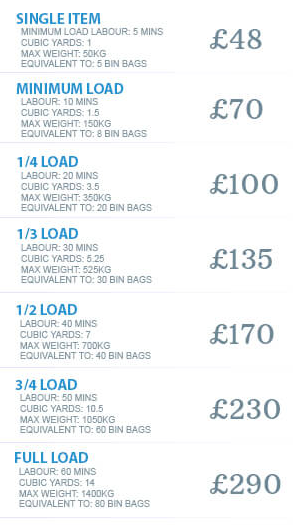
 Tipper Van - Rubbish Removal and Waste Disposal Prices in Hounslow TW3
 Luton Van - Rubbish Removal and Waste Disposal Prices in Hounslow TW3