House clearance case study Hounslow flat rubbish removal
Posted on 10/09/2026
If you are dealing with a flat that needs clearing in Hounslow, you will already know it is rarely just a matter of "take the rubbish away." There are stairs, tight hallways, parking quirks, neighbours to think about, and often a deadline hovering in the background. A proper House clearance case study Hounslow flat rubbish removal approach is about more than shifting bags and old furniture; it is about planning a clean, safe, respectful clearance that fits the property and the people involved.
In this article, we break the job down in plain English. You will see how a flat clearance typically works, what makes it different from a standard one-off rubbish collection, where people often go wrong, and how to keep the process smooth without turning the place upside down. And yes, sometimes the difference between a stressful afternoon and a calm one is simply knowing what to do first.
For readers comparing service options, it may also help to skim our services overview and our page on house clearance in Hounslow before booking anything. That way you can match the job to the right type of removal, rather than guessing.

Why House clearance case study Hounslow flat rubbish removal Matters
A flat clearance in Hounslow matters because flats are usually less forgiving than houses. Space is limited, access can be awkward, and rubbish has a way of multiplying in the final week before a move. Add in bulky items, mixed materials, and the possibility of shared entrances, and the job needs a bit of structure.
For landlords, agents, homeowners, and tenants, the goal is simple: clear the space properly, leave it tidy, and avoid delays. But the knock-on effects are bigger than that. A good clearance can help a sale proceed, make a rental ready for new occupants, or reduce the odds of council-related headaches if waste is left in the wrong place. If you are preparing a property in a busy part of town, the local context matters too. A flat near transport links, shops, or a high street often means more foot traffic and less tolerance for clutter sitting around in communal areas.
There is also the human side. Clearing a flat after a long tenancy, a family change, or a move can be emotional. Let's face it, some rooms hold more than furniture. A careful clearance respects that. It is not just about speed.
If you want a broader sense of how Hounslow fits into the wider property picture, our posts on Hounslow property market insights and the Hounslow property buying guide are useful context for people buying, selling, or preparing a flat for the next stage.
Expert summary: Flat rubbish removal works best when it is planned around access, item sorting, and the property's end goal. In practice, that means fewer surprises, safer handling, and a cleaner handover.
How House clearance case study Hounslow flat rubbish removal Works
A well-run flat clearance usually follows a straightforward flow, but the details matter. The first job is to understand what needs to go. That might include general rubbish, old furniture, broken appliances, wardrobe contents, boxed items, or mixed household waste. Sometimes it is a full flat clearance. Sometimes it is really a partial declutter with one or two bulky removals. The difference affects time, labour, and vehicle loading.
Next comes access. In a flat, access is often the defining factor. Is there a lift? Are there narrow stairs? Is there parking nearby? Can the team load close to the entrance, or are there walking distances to manage? These questions sound boring, but they shape everything. A job that looks tiny in a living room can become very different once the sofa has to pass a tight landing and two doors that do not quite open the way you hoped.
Then comes separation. Good clearance work keeps reusable, recyclable, and general waste as separate as possible. This helps with disposal efficiency and supports more responsible handling. If you are comparing disposal choices, our page on recycling and sustainability explains the general approach in plain language.
Finally, the team removes the waste, checks the area, and leaves the flat ready for its next step. That may be deep cleaning, decorating, viewings, or immediate handover. In some jobs, same-day action is useful when time is tight; in others, a scheduled collection gives you more breathing room. If you are dealing with a short window, our article on same-day rubbish removal near East Station shows how urgency changes the booking process.
Key Benefits and Practical Advantages
The obvious benefit is a clear flat. The less obvious benefits are usually the ones that matter most.
- Faster turnaround: A tidy, cleared flat can be prepared for sale, rent, or renovation much sooner.
- Less physical strain: Lifting awkward items down stairs is not a fun DIY weekend, to be fair.
- Reduced risk of damage: Careful removal helps protect walls, bannisters, doors, and communal areas.
- Cleaner decision-making: Sorting items during clearance makes it easier to spot what should be kept, donated, or removed.
- Better compliance: Working with licensed waste handling and proper disposal practices lowers risk.
- More predictable costs: When the scope is clear, pricing is usually easier to understand.
There is also a practical mental benefit. A cluttered flat can feel heavier than it looks. Once the obvious items are out, the space tends to breathe again. You notice the light. You notice the floor. Small thing, maybe, but it changes how the property feels.
For readers weighing up costs and value, our guide on skip hire versus waste removal is a useful comparison point, especially if you are trying to decide between doing the loading yourself or booking a full removal service.
Who This Is For and When It Makes Sense
This kind of clearance makes sense for a fairly wide group of people. You might be a tenant moving out and trying to avoid deposit disputes. You might be a landlord with a flat left full of unwanted items. You might be helping a relative downsize, or dealing with a property that has been empty for a while and is now due a reset.
It also suits estate situations, probate-related clearances, and pre-sale preparation. In those cases, the job is not just about disposal; it is about sensitivity and organisation. Some items may need to be separated for family, storage, or valuation. The clearance itself has to move at the right pace. Too rushed and mistakes happen. Too slow and the property sits unusable for longer than it should.
Flat clearance is especially sensible when:
- you have heavy or bulky furniture to move out
- stairs, lifts, or parking make DIY removal awkward
- you need the property cleared on a deadline
- the waste is mixed and difficult to handle alone
- you want a single team to load, remove, and tidy up
For local living context, it can be interesting to read Hounslow living insights from locals and an insider's tour of the suburb. Not because they are about rubbish removal directly, but because they help explain the local mix of homes, routines, and pace of life that makes quick, considerate clearance more useful than people first expect.
Step-by-Step Guidance
If you want the job to go smoothly, process beats guesswork. Here is the basic sequence we recommend.
- Walk the flat first. Make a room-by-room note of what is staying and what is leaving. Be honest. A single storage cupboard can change the whole job.
- Separate obvious categories. Put aside paperwork, valuables, and anything you want to keep. Do not leave this for the last ten minutes.
- Check access points. Measure doorways if you are unsure, look at stair widths, and decide whether parking or permits may affect loading.
- Ask about special items. Fridges, mattresses, wardrobes, and heavy furniture may need different handling. A broken washing machine is not the same as a bag of clothes.
- Request a clear quote. Ask what is included, whether labour is covered, and how the team handles access issues or extra waste.
- Confirm timing. If the flat must be ready by a certain day, build in a bit of cushion. Unexpected delays happen. They just do.
- Prepare the property. Keep corridors clear, make keys available, and tell neighbours or building management if needed.
- Do a final sweep. Before the team leaves, check cupboards, balcony areas, and storage spaces. The number of times a forgotten bag appears at the end is, frankly, mildly ridiculous.
If your clearance is happening around renovations, you may also find builders' waste clearance in Hounslow helpful as a related reference, especially where old fittings, rubble, or mixed renovation debris are involved.
Expert Tips for Better Results
A few practical habits make flat clearance noticeably easier.
Start with the hardest access items first. If a sofa will be awkward to remove, deal with that while the route is still clear. Once smaller items pile up in the hallway, everything becomes more annoying.
Photograph the rooms before and after. That helps landlords, agents, and tenants keep a clean record of what was there and what was removed. It is a simple step, but useful.
Keep personal items in one place. A single "do not remove" box or bag saves a lot of confusion. If the flat is busy and people are moving in and out, label it clearly.
Think about disposal routes in advance. If you know there are recyclable materials or reusable furniture pieces, it is worth asking how they will be handled. Responsible disposal is not just a nice extra. It is part of a professional job.
Use a team that understands safety. Clearance work involves lifting, carrying, and moving through shared spaces. A proper safety approach matters. For more detail, see our insurance and safety information.
A small but useful tip: if the flat is in a busy street or on a tight estate, schedule the clearance earlier in the day where possible. Morning light helps, access is often easier, and everyone tends to have more patience before the afternoon rush kicks in.
Common Mistakes to Avoid
Most clearance problems are avoidable. The tricky part is that they usually look small right up until they become a problem.
- Not measuring access: A large wardrobe is not "probably fine" if the stairwell is already tight.
- Leaving sorting until collection day: That leads to panic, delays, and maybe accidental removal of items you wanted to keep.
- Forgetting building rules: Some flats have restrictions on loading times, lift use, or communal area protection.
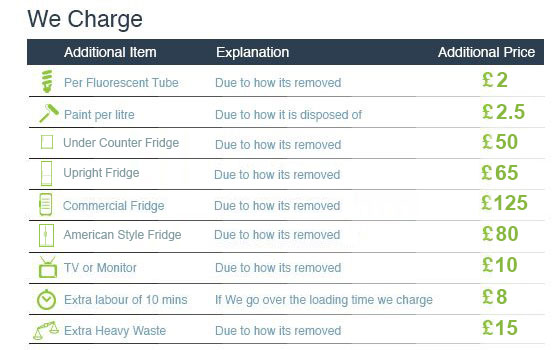
- Choosing a service only on price: The cheapest quote can become expensive if it excludes labour, access, or disposal details.
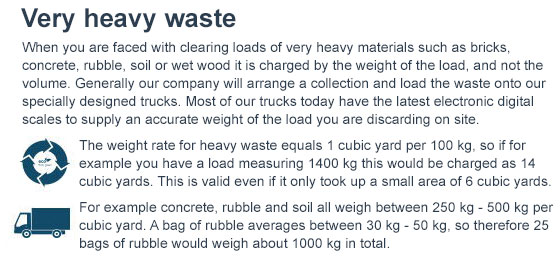
- Mixing hazardous or awkward items with general waste: These need extra care and should be handled properly.
- Assuming all waste is treated the same: It is not. Different materials often need different disposal routes.
One other mistake: trying to do everything in one go without enough help. It sounds efficient. It rarely is. People get tired, muscles complain, and the hallway fills with half-moved stuff. Not ideal.
For pricing pitfalls in particular, have a look at how to avoid hidden charges in quotes and the practical advice in what to know before booking rubbish removal in TW4.
Tools, Resources and Recommendations
You do not need a warehouse full of gear for a flat clearance, but a few tools and resources make life easier.
- Strong bin bags or rubble sacks for lighter waste and loose items
- Labels or marker pens for keep, remove, donate, and check piles
- Gloves for handling dusty or rough items
- Basic measuring tape if access is uncertain
- Phone camera for documenting room condition and progress
- Clear route planning so hallways and doorways are not blocked
On the service side, useful pages to review include rubbish clearance in Hounslow, rubbish collection options, and furniture disposal support. These pages help you match the type of item to the right removal approach, which saves time and avoids muddled expectations.
If you are pricing a bigger job, the pricing and quotes page is useful for understanding how estimates are typically handled. It is always better to ask a few practical questions up front than to chase clarity afterwards.
Law, Compliance, Standards, or Best Practice
For flat clearance, compliance is less about memorising legislation and more about following good UK waste-handling practice. In normal terms, that means waste should be carried, sorted, and disposed of responsibly by a suitable provider. If a company handles waste professionally, you would expect them to be able to explain how they manage disposal and what happens to recyclable items.
Best practice usually includes:
- clear communication on what is included in the job
- safe lifting and removal methods
- care around shared building spaces
- responsible waste sorting and transfer
- transparent handling of sensitive or bulky items
It is also wise to understand who is taking the waste away and how they operate. A flat clearance can be quick and neat, but only if the team is organised and behaves properly on site. If you want a deeper trust signal, our page on about us gives a better feel for how the company approaches work, while licensed waste carrier proof and safety explains why that kind of due diligence matters.
There is no need to overcomplicate this. Just make sure the people handling the job are clear, careful, and able to explain their process. That alone filters out a lot of trouble.
Options, Methods, or Comparison Table
When clearing a flat, people usually choose between a few common routes. The right one depends on volume, access, urgency, and how much lifting you want to do yourself.
| Option | Best for | Pros | Trade-offs |
|---|---|---|---|
| Full flat clearance service | Complete removals, bulky loads, tight deadlines | Fast, organised, minimal effort for you | Usually higher cost than DIY |
| Partial clearance | Specific rooms, selected items, decluttering | Flexible, cost-controlled, useful for staged moves | Needs clear instructions to avoid mistakes |
| Skip hire | Jobs with plenty of loose waste and time to fill a container | Good for self-managed projects | Not ideal with poor access or heavy lifting |
| Self-load collection | Smaller clear-outs where you can sort and carry items | Can be cost-effective | More labour for you, more time, more hassle |
For a lot of Hounslow flats, the decision comes down to access and time. If parking is awkward or the building has shared corridors, a removal team often makes life much easier than skip hire. On the other hand, if the waste is simple, loose, and already sorted, a more basic method may be enough.
If you are still deciding between approaches, the article on skip hire versus waste removal costs is worth a look. It helps you think through the practical difference rather than just the headline price.
Case Study or Real-World Example
Here is a realistic example based on the kind of flat clearance people commonly need in Hounslow.
A tenant was moving out of a two-bedroom flat after a long stay. The property had a mix of unwanted furniture, broken household items, bagged general rubbish, and a few belongings that needed to be kept aside for the final move. The building had a shared entrance, one small lift, and limited parking outside. Nothing dramatic, but enough to make the job awkward if it was handled casually.
The first step was to walk through the flat and separate items into keep, remove, and check later. That simple act reduced confusion straight away. Next, the removal route was planned around the lift and the available parking window. Heavy furniture was taken out first while the route was still clear. The team then worked room by room, keeping the hallway usable so neighbours were not blocked in. Sensible, really.
The result was a cleared flat ready for final cleaning and handover. No drama, no damage to the walls, and no last-minute scramble to decide what belonged to whom. The tenant left with a cleaner end to the move, and the property owner had a space ready for the next stage.
What stands out in this kind of job is that the physical removal is only half the story. The other half is planning. Once the plan is right, the clearance itself feels almost easy. Almost.
Practical Checklist
Use this checklist before a flat rubbish removal or house clearance job in Hounslow.
- Confirm what needs removing and what must stay
- Check for fragile, valuable, or personal items
- Measure doors, lifts, stair turns, and hallway space if access is tight
- Check parking arrangements and loading restrictions
- Label keep, donate, recycle, and remove items
- Take photos for your records before the clearance starts
- Ask for a clear quote and confirm what is included
- Make sure the property has safe, clear access on the day
- Tell building management or neighbours if the job may affect shared spaces
- Do a final room check before the team leaves
If your job includes larger household items, you may also want to browse garage clearance, loft clearance, or junk removal pages for related scenarios. The same planning logic applies, just with different clutter in the way.
Conclusion
A good House clearance case study Hounslow flat rubbish removal is really a lesson in doing things properly. Clear the flat, protect the building, separate the waste sensibly, and keep the process calm enough that nobody is left guessing what happens next. That is what people actually want. Not noise, not confusion, not a morning spent wrestling with a sofa that absolutely refuses to fit through a doorway.
Whether you are preparing a flat for sale, managing a move, or clearing a property after a change of circumstances, the best results come from planning early and choosing the right type of removal for the job. If you want help deciding what fits your situation, take a look around the related service pages and make the next step feel less heavy.
Get a free quote today and see how much you can save.
Sometimes the cleanest start is just one sensible decision away, and that can be a relief in itself.



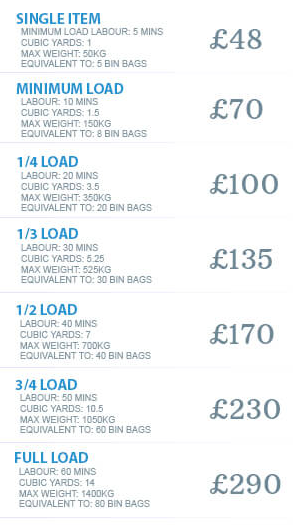
 Tipper Van - Rubbish Removal and Waste Disposal Prices in Hounslow TW3
 Luton Van - Rubbish Removal and Waste Disposal Prices in Hounslow TW3