Estate clearance success Hanworth Park Hounslow waste removal
Posted on 22/10/2026
Estate clearance can feel straightforward on paper and then, suddenly, it isn't. One room leads to another, paperwork turns up in a drawer, and the garden shed is somehow full of things nobody remembers buying. If you are dealing with Estate clearance success Hanworth Park Hounslow waste removal, the goal is not just to get rid of items. It is to do it neatly, respectfully, and without creating extra stress for everyone involved.
This guide walks through what successful estate clearance looks like in Hanworth Park and the wider Hounslow area, how the process usually works, what to expect from a good waste removal service, and the mistakes that trip people up most often. It is written for homeowners, families, landlords, executors, and anyone facing a property clear-out that needs to be handled properly, not rushed. Let's face it, these jobs are rarely just about rubbish.
For readers who want to understand the wider local picture too, it can help to look at related pages such as house clearance in Hounslow and waste removal services across Hounslow, especially when the estate includes mixed items, furniture, and general household waste.

Why Estate clearance success Hanworth Park Hounslow waste removal Matters
A successful estate clearance does more than empty a property. It protects value, reduces delays, and helps people make calmer decisions at a time when emotions may already be running high. In Hanworth Park, where homes can contain a mix of long-kept belongings, garden items, furniture, and everyday clutter, a well-managed clearance often makes the difference between a smooth transition and a messy, drawn-out one.
There is also a practical side that people sometimes underestimate. Waste removal is not just a question of lifting bags into a van. It involves sorting reusable items, identifying recyclable materials, handling bulky furniture safely, and disposing of rubbish in a way that is lawful and responsible. If that is missed, problems can appear later: unfinished rooms, unexpected costs, access issues, or even disposal concerns if items are dumped carelessly.
In our experience, the estates that go best are the ones where the process is treated like a project. Not glamorous, obviously. But effective. One room at a time, one category at a time, with clear decisions and a bit of patience.
Practical takeaway: estate clearance success usually comes from three things working together: clear planning, respectful handling of belongings, and proper waste removal.
How Estate clearance success Hanworth Park Hounslow waste removal Works
The process normally starts with a property assessment. That can be done in person or from photos, depending on the scale of the job. The aim is to understand how much needs clearing, whether there are heavy items, whether the property has tricky access, and whether any belongings need to be set aside for family, donation, sale, or storage.
From there, the clearance is usually divided into categories. This might include furniture, general waste, electrical items, textiles, books, kitchen contents, loft items, and garden debris. A good team will not simply throw everything together. They should sort with purpose. That matters because what looks like "just old stuff" often contains items that can be reused or recycled.
On the day itself, a team may work room by room or by category, depending on the layout and the condition of the property. Good communication is key. If there are items you want kept aside, say so early. If a garage or loft contains unknown contents, be clear about what should be checked before anything goes. It sounds basic, but the basics are what keep these jobs tidy.
For more on the kinds of services that often sit alongside estate work, the garage clearance service and loft clearance option are relevant when extra storage areas have become part of the problem.
What usually happens during the clearance
- Items are grouped into keep, remove, recycle, or dispose.
- Furniture and bulky items are taken out safely, often in stages.
- Recyclable material is separated where possible.
- Waste is loaded efficiently to reduce disruption.
- The property is left as clear and presentable as the agreed scope allows.
If the estate includes a lot of household contents, the best approach is often a calm, methodical one rather than a rush. You can feel the room change as progress is made. Boxes disappear, pathways open, and the place starts to breathe again.
Key Benefits and Practical Advantages
The benefits of good estate clearance are easy to understand once you have lived through a difficult one. First, it reduces stress. There is a huge emotional difference between staring at a packed property and walking into a structured plan. Second, it saves time. Sorting through every item without a system can stretch a simple job into days. Third, it can protect the property itself. Heavy lifting, broken glass, damp storage, and blocked access can all create avoidable damage.
There is also a financial angle. When items are sorted properly, reusable furniture or salvageable goods may be diverted away from mixed waste. That may not make the process free, but it can improve efficiency and reduce unnecessary disposal. In a real-world sense, that matters. Nobody likes paying to move things twice.
Another advantage is peace of mind. A family may be dealing with bereavement, downsizing, relocation, or an inherited home. The right clearance service keeps the job moving while being respectful of personal belongings. You do not need drama. You need a straightforward outcome.
| Benefit | What it means in practice | Why it helps |
|---|---|---|
| Faster progress | Rooms are cleared in an organised sequence | Reduces delays and avoids overlap |
| Better sorting | Items are separated for reuse, recycling, or disposal | Improves waste efficiency |
| Less stress | The workload is handled by a structured team | Makes a difficult time more manageable |
| Cleaner final result | The property is left tidy and usable | Supports sale, rental, or handover |
Who This Is For and When It Makes Sense
This kind of service is useful for a surprisingly wide group of people. Executors managing an estate after a bereavement are obvious candidates, but not the only ones. Landlords dealing with abandoned contents, families preparing a home for sale, downsizers clearing a long-occupied property, and homeowners emptying out a garage, loft, or outbuilding all face the same basic issue: too much to sort, not enough time to do it safely alone.
It also makes sense when the property includes a mix of heavy furniture, broken items, and general waste that would be awkward to handle without support. If a home has been occupied for years, there may be layers of belongings in wardrobes, cupboards, lofts, and sheds. That is normal. A lot of people discover that the real volume is hidden, not visible from the hallway.
For local context and a better feel for the area, some readers find it useful to browse Hounslow living insights from locals or the broader insider's tour of Hounslow. It helps ground the service in the day-to-day reality of the neighbourhood, which is a bit more useful than a generic checklist from nowhere.
Typical situations where clearance becomes necessary
- A property is being prepared for sale or rental.
- A relative's home needs clearing after a bereavement.
- A long-term tenant has left items behind.
- A loft, garage, or shed has become overloaded.
- The contents need sorting before probate or transfer decisions.
Step-by-Step Guidance
If you want estate clearance success, the process should be simple enough to follow. Not always easy, but simple. A structured approach helps you avoid second-guessing halfway through the job.
1. Walk through the property carefully
Start by identifying what is staying, what is going, and what needs extra attention. Open cupboards, check loft access, and make a note of any items that might need special handling. Sometimes the obvious rooms are easy. It's the hidden corners that bite you later.
2. Separate priority items first
Set aside documents, photographs, jewellery, sentimental items, keys, and anything of legal or financial importance before removal begins. People often leave this too late. Do not. A five-minute check can save a very awkward conversation later.
3. Decide what happens to reusable items
Some furniture, appliances, books, and household goods may be reusable. If the estate clearance team can separate these from general waste, the whole job becomes cleaner and more efficient. That may also help reduce the amount of material going to disposal unnecessarily.
4. Confirm access and parking
Hanworth Park and surrounding Hounslow streets can present the usual London access realities: narrow drives, limited parking, side gates, shared entrances, and occasional awkward stairways. Mention these early. A clear path means a smoother job and fewer surprises on the day.
5. Book the right type of clearance
Not every property needs the same approach. Some jobs are full house clearances; others are targeted waste removal or a mix of furniture disposal and bulky waste lifting. Choosing the right service avoids paying for more than you need. That part matters more than people expect.
6. Stay available for questions
Even a well-planned job may uncover things you did not know were there. Old paperwork, locked boxes, hazardous items, or a garage full of mixed materials can change the plan slightly. A responsive contact makes all the difference.
If you want a sense of how clearance and waste work together in practice, the service pages for rubbish clearance in Hounslow and rubbish collection in Hounslow are worth comparing to the broader estate-clearance approach.
Expert Tips for Better Results
There are a few things that consistently improve outcomes. The first is to sort in layers, not in a rush. Start with essential keeps, then valuables, then category-based removal. It sounds almost too simple, but that structure prevents mistakes. The second is to use photographs before removal, especially if family members are not all on-site. A quick set of pictures can settle arguments that might otherwise go in circles.
The third tip is to think about what needs a separate decision. Old documents, photo albums, tools, medication, and electricals often need a bit more attention than general waste. You do not want important papers in a mixed load because everyone was tired and trying to finish by lunch.
Another good habit: measure access before the day if the property is tight. A doorway, stairwell, or narrow hallway can be the difference between a smooth lift and a problem. To be fair, a lot of access issues only become obvious when someone tries to carry a wardrobe through a house built in a different decade entirely.
Expert summary: the best estate clearances are rarely the fastest ones. They are the ones that balance speed with sorting, care, and honest communication.
A few small but important habits
- Label keep items clearly.
- Take photographs before and after each room if needed.
- Keep sentimental items in a separate container.
- Ask about recycling and disposal practices in advance.
- Leave access routes free of loose items so the team can move safely.

Common Mistakes to Avoid
One of the biggest mistakes is assuming everything can be handled in a single pass without prior sorting. That often leads to confusion and missed items. Another common issue is underestimating how much storage space has accumulated over the years. Lofts, garages, and cupboards have a habit of hiding far more than expected.
A second mistake is unclear instruction. If family members, solicitors, and property managers all have different views on what should happen, the job can stall. It helps to name one person to make final calls where possible. That is not always easy, but it is usually necessary.
A third mistake is ignoring access. Even a modest clearance can go wrong if the team cannot park, enter safely, or move bulky items without obstruction. Then there is the classic mistake: not checking what is actually in the waste stream. Mixed loads can include items that need special handling, and that should be spotted early rather than at the end. Nobody wants last-minute drama in the front hallway.
Other pitfalls worth watching
- Leaving important paperwork mixed in with ordinary rubbish.
- Failing to identify items with sentimental or resale value.
- Booking the wrong service for the size of the job.
- Not asking how recyclable materials will be handled.
- Forgetting to plan around neighbours or shared access.
Tools, Resources and Recommendations
You do not need a warehouse of equipment to manage estate clearance well, but a few practical tools make the job much easier. Strong bags, boxes, labels, marker pens, gloves, cleaning cloths, and a phone camera are the basics. If the property is large, a floor plan or room-by-room note list can help keep decisions organised. It is old-fashioned, perhaps, but it works.
For service choices, it can help to compare related options such as furniture disposal in Hounslow, junk removal in Hounslow, and skip hire in Hounslow. Each has its own strengths. Furniture disposal is useful where bulky items dominate, junk removal suits mixed household clutter, and skip hire can work well for projects where you want contents collected over time rather than cleared in one visit.
There are also occasions when a specialist service is more appropriate. For example, if the estate includes an office room, study, or home business contents, a page like office clearance in Hounslow may be useful. If outdoor spaces are overrun, garden waste removal is the more relevant fit.
Useful recommendation shortlist
- Photograph each room before anything is moved.
- Separate legal or sentimental items first.
- Compare clearance options by volume, access, and item type.
- Ask how the provider handles recycling and mixed waste.
- Keep a written note of what should stay and what should go.
Law, Compliance, Standards, or Best Practice
Any estate clearance involving waste removal should be handled with proper care and in line with normal UK waste-handling expectations. You do not need to memorise legislation to make a sensible choice, but you do need to use a provider that takes disposal seriously. In practice, that means checking that waste is handled responsibly, items are not fly-tipped, and the removal process is suitable for the material involved.
Best practice also means protecting personal data and private papers. Estate clearances often uncover bank letters, utility bills, medical documents, and old correspondence. These should be separated before disposal. A confidential shred or secure disposal approach is sensible where paperwork contains personal information. Not everything in a drawer is harmless junk.
Safety matters too. Heavy lifting, sharp edges, broken glass, mouldy items, and damaged furniture all present risks. Good practice includes safe handling, appropriate equipment, and a sensible plan for awkward items. If a clearance involves anything unusual, such as paint tins, batteries, or old electrical goods, it should be flagged rather than guessed at.
For reassurance on service standards and safety-minded working, readers sometimes also review insurance and safety information and the site's broader recycling and sustainability approach. Those pages help set expectations for responsible waste handling.
Options, Methods, or Comparison Table
Not every estate clearance needs the same method. Some jobs are best handled as a full clearance, while others are better split into stages. A small comparison can make the choice clearer.
| Method | Best for | Strengths | Watch-outs |
|---|---|---|---|
| Full estate clearance | Whole property contents | Fast, organised, end-to-end | Needs clear instructions |
| Targeted waste removal | Specific rooms or bulky items | Flexible and efficient | May not suit very large jobs |
| Skip hire | Ongoing sorting or DIY-led clear-outs | Good for gradual filling | Requires space and loading effort |
| Furniture disposal | Heavy household items | Simple for big pieces | Less useful for mixed contents |
For many readers, the decision comes down to time, access, and how much hands-on work you want to do yourself. If you want a low-effort route, a clearance-led service is usually the better fit. If you are sorting slowly with family members, another method may work better. There is no single perfect answer. Just the one that matches the job.
Case Study or Real-World Example
Here is a realistic example from the kind of job that comes up often in Hanworth Park and nearby parts of Hounslow. A family was preparing an inherited property for sale after the owner's belongings had been left in place for years. The house looked manageable from the front room, but once the team began clearing, they found packed wardrobes, a loft full of mixed storage, old furniture in the dining room, and a garden shed with broken tools and boxes of damp paper. Classic, really.
The job went well because the family did three things right. First, they checked sentimental and legal items before the clearance day. Second, they gave clear instructions about what should stay. Third, they chose a service that could handle furniture, general household waste, and garden clutter without making everything a separate booking. That kept the process moving steadily rather than stalling every time a new box appeared.
The result was not magical. It was just organised, respectful, and efficient. The property became easier to clean, photograph, and present. That is the real measure of estate clearance success: not perfection, just a clear path forward.
Practical Checklist
Use this checklist before the clearance begins. It will save time, and frankly, a bit of irritation too.
- Identify who is responsible for decisions.
- Separate documents, keys, jewellery, and sentimental items.
- List what should stay in the property.
- Photograph rooms, cupboards, lofts, and sheds if needed.
- Check access, parking, and any stairs or narrow entry points.
- Confirm whether furniture, waste, or mixed contents are being removed.
- Ask how recycling and disposal will be handled.
- Flag anything unusual, fragile, sharp, or potentially hazardous.
- Prepare for the property to be opened, cleared, and checked room by room.
- Do a final walk-through once the job is complete.
Conclusion
Estate clearance in Hanworth Park does not need to be chaotic. With the right plan, the right sorting approach, and sensible waste removal, the whole process becomes far more manageable. The biggest wins usually come from simple habits: clear instructions, careful separation of items, proper handling of bulky waste, and a realistic view of what the property actually contains.
Whether you are clearing a family home, dealing with inherited contents, or preparing a property for sale, the aim is the same: reduce stress, protect what matters, and leave the space ready for its next chapter. That is estate clearance success, really. Not flashy. Just solid, calm, and done properly.
If you are comparing options and want to move forward with confidence, take a look at the relevant service pages, review the practical guidance, and choose the approach that fits the property rather than forcing the property to fit the plan.
Get a free quote today and see how much you can save.
Sometimes the best progress is the quiet kind: a cleared room, a lighter load, and one less thing hanging over your week.



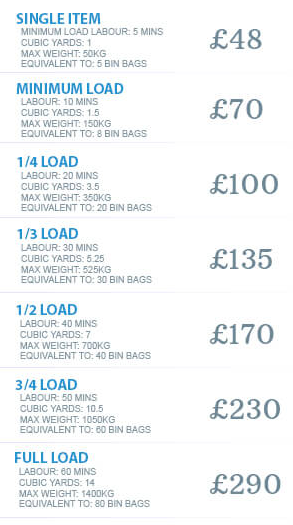
 Tipper Van - Rubbish Removal and Waste Disposal Prices in Hounslow TW3
 Luton Van - Rubbish Removal and Waste Disposal Prices in Hounslow TW3